Top Foods for Hypothyroidism: Optimize Your Diet Today
Thyroid-Supporting Diet for Optimal Function After 40: Essential Foods and Nutrients for Hormone Balance
As we age, maintaining optimal thyroid function becomes increasingly important for overall health and well-being. A thyroid-supporting diet can play a crucial role in ensuring that hormone levels remain balanced, particularly for individuals over 40.
This article will explore essential nutrients that support thyroid health, the foods to include and avoid for managing hypothyroidism, and practical meal plans to enhance thyroid function. By understanding the relationship between diet and thyroid health, individuals can make informed choices that promote hormonal balance and vitality.
The intricate connection between diet, thyroid function, and the aging process is a key area of research for maintaining health as we get older.
Which Key Nutrients Support Thyroid Health After 40?
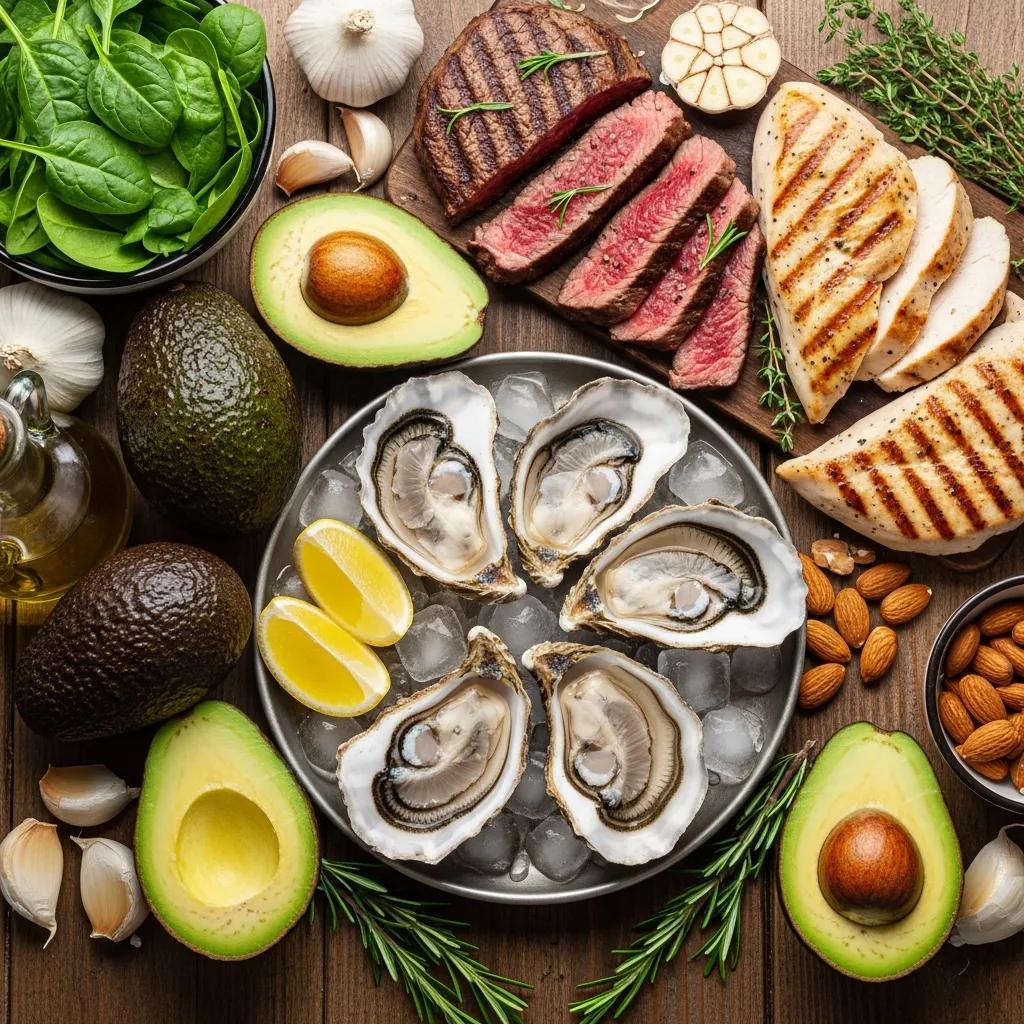
Key nutrients are vital for maintaining thyroid health, especially for adults over 40. Iodine, selenium, and zinc are essential for the production and regulation of thyroid hormones. These nutrients not only support hormone synthesis but also contribute to overall metabolic health. Ensuring adequate intake of these nutrients can help prevent thyroid-related issues and promote optimal function.
How Does Iodine Influence Thyroid Hormone Production?
Iodine is a critical component of thyroid hormones, specifically thyroxine (T4) and triiodothyronine (T3). The thyroid gland absorbs iodine from the bloodstream, which is then used to produce these hormones. A deficiency in iodine can lead to hypothyroidism, characterized by fatigue, weight gain, and depression. Foods rich in iodine include seaweed, fish, dairy products, and iodized salt. The recommended daily intake of iodine for adults is approximately 150 micrograms.
Further research emphasizes the critical role of nutrition and iodine intake in supporting thyroid function across different age groups.
What Are the Benefits of Selenium and Vitamin D for Thyroid Function?
Selenium plays a crucial role in the conversion of T4 to the more active T3 hormone. It also has antioxidant properties that protect the thyroid gland from oxidative stress. Foods high in selenium include Brazil nuts, fish, and eggs. Vitamin D is essential for immune function and may help regulate thyroid hormone levels. Sources of vitamin D include fatty fish, fortified dairy products, and sunlight exposure. Ensuring adequate levels of both selenium and vitamin D can significantly enhance thyroid health.
Studies have also highlighted the significant link between vitamin D levels, dietary patterns, and the prevalence of hypothyroidism.
What Foods Should You Include and Avoid for Hypothyroidism Management?
Managing hypothyroidism effectively involves knowing which foods to include in your diet and which to avoid. Certain foods can support thyroid function, while others may hinder it. A balanced diet rich in whole foods can help maintain hormone levels and overall health.
Which Natural Thyroid Support Foods Are Recommended After 40?
Incorporating the following natural foods can support thyroid health:
Seaweed: Rich in iodine, it helps in hormone production.
Brazil Nuts: High in selenium, they support hormone conversion.
Fatty Fish: Provides omega-3 fatty acids, which reduce inflammation.
Leafy Greens: Packed with vitamins and minerals that support overall health.
Berries: Antioxidant-rich, they help combat oxidative stress.
These foods not only provide essential nutrients but also contribute to a balanced diet that supports thyroid function.
What Foods Can Negatively Affect Thyroid Function?
Certain foods can negatively impact thyroid health, particularly for those with hypothyroidism. It is advisable to limit or avoid:
Soy Products: They may interfere with hormone production.
Cruciferous Vegetables: Foods like broccoli and cauliflower can inhibit iodine uptake when consumed in large amounts, especially when raw.
Gluten: Some individuals with autoimmune thyroid disease may benefit from avoiding gluten.
Processed Foods: High in sugars and unhealthy fats, they can lead to inflammation and weight gain.
Being mindful of these foods can help manage thyroid health more effectively.
How Does Diet Influence Hormone Balance and Thyroid Function Post-40?
Diet plays a significant role in maintaining hormone balance and supporting thyroid function, especially as we age. A well-rounded diet can help regulate hormone levels and improve overall health.
What Is the Role of an Anti-Inflammatory Diet in Supporting Thyroid Health?
An anti-inflammatory diet focuses on reducing inflammation in the body, which can benefit thyroid health. This diet emphasizes whole foods, such as fruits, vegetables, whole grains, lean proteins, and healthy fats. Foods like turmeric, ginger, and fatty fish are known for their anti-inflammatory properties. By reducing inflammation, individuals can support their thyroid function and overall well-being.
Which Lifestyle Factors Complement a Thyroid-Supporting Diet?
In addition to diet, several lifestyle factors can enhance thyroid health:
Regular Exercise: Physical activity helps maintain a healthy weight and supports metabolic function.
Stress Management: Techniques such as yoga, meditation, and deep breathing can reduce stress, which negatively impacts hormone levels.
Adequate Sleep: Quality sleep is essential for hormone regulation and overall health.
Incorporating these lifestyle changes can complement a thyroid-supporting diet and promote optimal health.
What Are Practical Meal Plans and Recipes for Thyroid Health After 40?
Creating balanced meals that are rich in thyroid-supporting nutrients is essential for maintaining optimal health. Meal planning can help ensure that you are getting the right nutrients consistently.
How to Create Balanced Meals Rich in Thyroid-Supporting Nutrients?
A balanced meal should include a variety of food groups. Here are some tips for creating thyroid-supporting meals:
Include Protein: Incorporate lean proteins such as chicken, fish, or legumes.
Add Healthy Fats: Use sources like avocados, nuts, and olive oil.
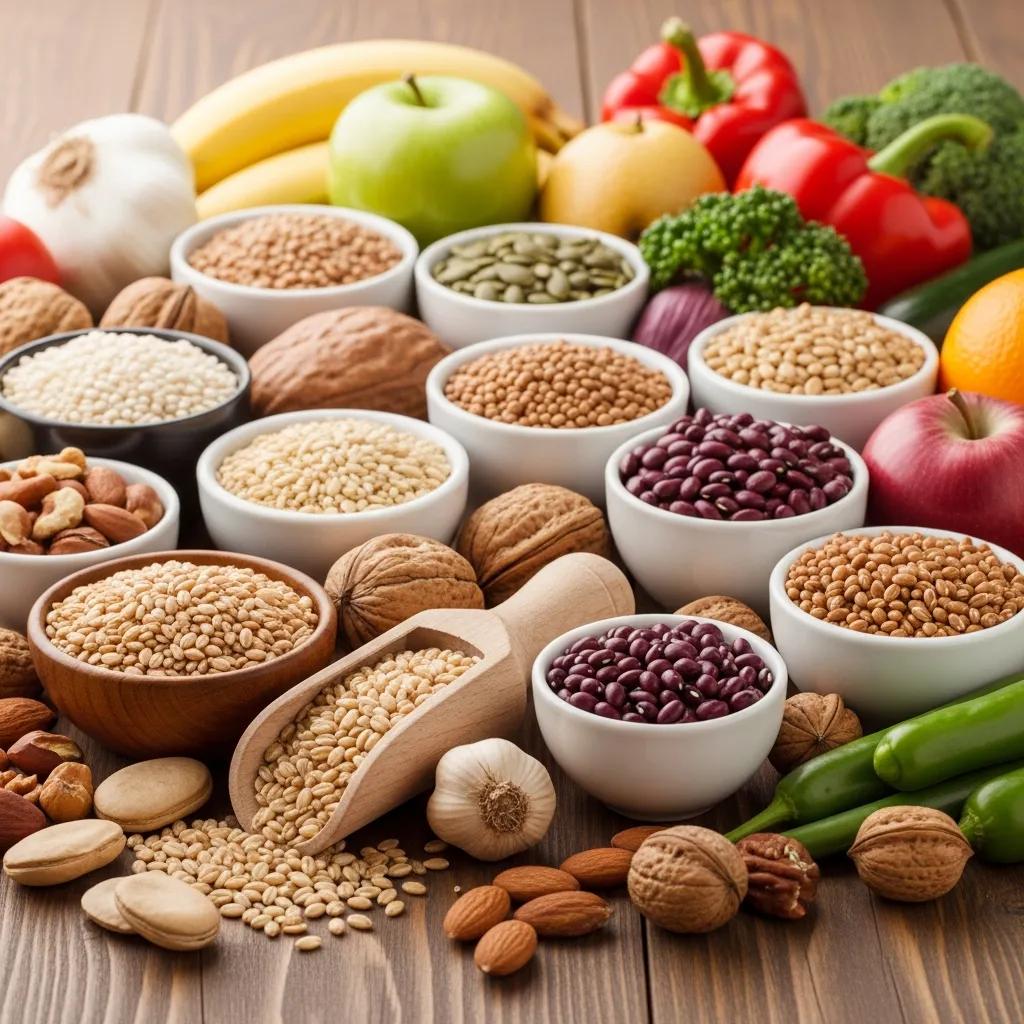
Incorporate Whole Grains: Choose quinoa, brown rice, or whole-grain bread for fiber and nutrients.
Load Up on Vegetables: Aim for a colorful variety to maximize nutrient intake.
By following these guidelines, you can create meals that support thyroid health and overall well-being.
Which Recipes Incorporate Natural Thyroid Support Foods?
Here are a few recipe ideas that include thyroid-supporting foods:
Seaweed Salad: Combine seaweed, cucumber, and sesame oil for a refreshing side dish.
Brazil Nut Pesto: Blend Brazil nuts, basil, garlic, and olive oil for a nutrient-dense sauce.
Baked Salmon with Greens: Serve baked salmon over a bed of sautéed leafy greens for a delicious and healthy meal.
Frequently Asked Questions
1. How does thyroid function affect overall health after 40?
Thyroid function plays a crucial role in regulating metabolism, energy levels, and hormone balance, especially as we age. An underactive thyroid, or hypothyroidism, can lead to various health issues such as fatigue, weight gain, depression, and even cardiovascular problems. Maintaining optimal thyroid function through diet, lifestyle changes, and regular check-ups becomes even more important after 40 to ensure overall well-being and vitality.
2. Can I manage thyroid conditions without medication?
While medication is often necessary for managing thyroid conditions like hypothyroidism, a supportive diet and healthy lifestyle can enhance thyroid function and overall well-being. Incorporating thyroid-supporting foods rich in iodine, selenium, and zinc can help optimize hormone levels. However, it is essential to consult a healthcare provider before making any significant changes to your treatment plan, ensuring a comprehensive and personalized approach.
3. Are there specific vitamins beneficial for thyroid health?
Yes, certain vitamins and minerals are particularly beneficial for thyroid health. In addition to iodine, selenium, and zinc, vitamins A, B, and D play vital roles. Vitamin D helps regulate immune function and may affect hormone levels, while vitamin B12 is crucial for energy and metabolism. Ensuring a balanced intake of these nutrients through diet or supplements can contribute to better thyroid function.
4. How often should I have my thyroid levels checked after 40?
It is generally recommended to have your thyroid levels checked at least once a year, especially after the age of 40. However, individuals with known thyroid issues or those at risk may need more frequent evaluations. Regular blood tests can help monitor hormone levels and ensure timely adjustments to any treatment plan, minimizing the risk of potential complications related to thyroid dysfunction.
5. What role does hydration play in thyroid health?
Staying hydrated is essential for overall metabolic health, including thyroid function. Water supports various bodily processes, including nutrient transport and hormone production. Dehydration can affect energy levels and metabolism, potentially exacerbating thyroid-related symptoms. Aim to drink adequate amounts of water throughout the day, and consider hydrating foods such as fruits and vegetables, which also provide essential nutrients for overall health.
6. Can stress impact thyroid function?
Yes, chronic stress can significantly impact thyroid function. Stress stimulates the release of cortisol, which can interfere with hormone production and regulation. It may lead to symptoms that exacerbate thyroid issues, especially in individuals with autoimmune thyroid diseases. Incorporating stress management techniques, such as exercise, meditation, or yoga, can help mitigate these effects and promote a healthier hormonal balance.
7. Is there a connection between gut health and thyroid function?
Research suggests a strong connection between gut health and thyroid function. An imbalanced gut microbiome can lead to increased inflammation and may affect thyroid hormone levels. Certain gut conditions, like leaky gut syndrome, can also exacerbate autoimmune thyroid diseases. Eating a fiber-rich diet, including probiotics and prebiotics, supports gut health, which in turn can benefit thyroid function and overall hormonal regulation.
Conclusion
Maintaining optimal thyroid function after 40 is achievable through a targeted diet rich in essential nutrients such as iodine, selenium, and zinc. By incorporating foods like seaweed, Brazil nuts, and leafy greens, individuals can support hormone balance and overall well-being. Adopting these dietary strategies not only enhances thyroid health but also boosts energy and vitality. Start optimizing your thyroid health today by exploring our collection of nutritious recipes and meal plans that cater to your specific needs. Sign up below for your free Life After 40 Success Kit.