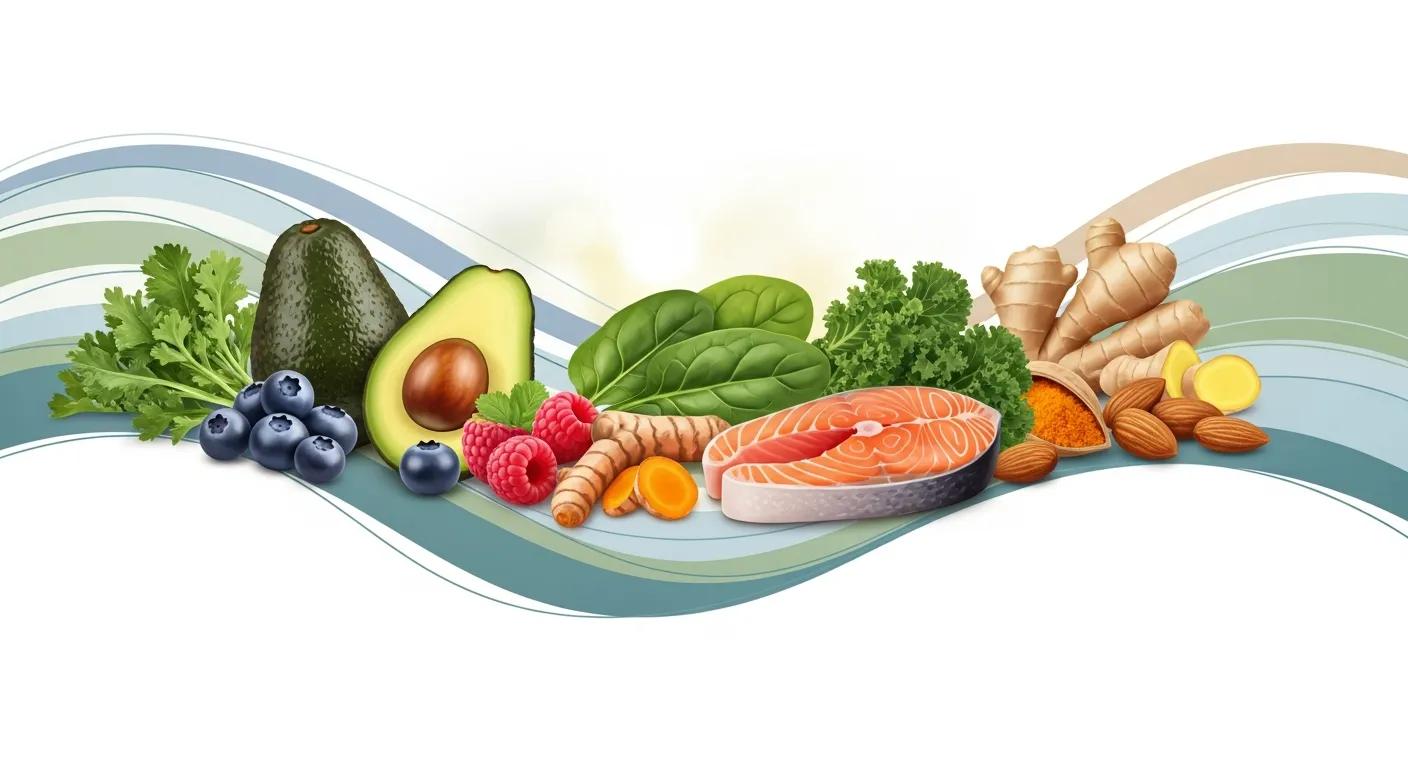
Top Foods for a Healthy Gut Microbiome After 40
Top Foods for a Healthy Gut Microbiome After 40
Maintaining a healthy gut microbiome is crucial for overall wellness, especially after the age of 40. As we age, our digestive system undergoes changes that can affect gut health, leading to various health issues.
This article explores the top foods that can support a healthy gut microbiome, focusing on fiber-rich, prebiotic, and probiotic options. Readers will learn about the dietary strategies that can enhance gut health, the types of fiber that are most beneficial, and the importance of incorporating prebiotic and probiotic foods into their diets. By understanding these elements, individuals can take proactive steps to improve their digestive health and overall well-being.
This holistic approach to gut health is further supported by research emphasizing comprehensive nutritional strategies for older adults.
Nutritional Strategies for Elderly Gut Health Therefore, nutritional strategies in the elderly should be addressed from a holistic perspective, considering the intestinal microbiota, the immune system as well as the nutritional status of the individual. Nutrition a nd the gut microbiome in the elderly, N Salazar, 2017
The top evidence-based dietary strategies for maintaining a healthy gut microbiome after the age of 40 include:
To maintain a healthy gut microbiome after 40, it is essential to adopt evidence-based dietary strategies. These strategies focus on incorporating a variety of foods that promote gut health, including those rich in fiber, prebiotics, and probiotics. Prioritizing these foods can help enhance microbiome diversity, support digestion, and reduce inflammation. Additionally, embracing anti-inflammatory nutrition and supporting hormonal balance are vital components of a gut-healthy diet. By making informed dietary choices, individuals can significantly improve their gut health and overall quality of life.
Which Fiber-Rich Foods Support Digestion After 40?
Fiber-rich foods play a crucial role in supporting digestion and maintaining a healthy gut microbiome. Incorporating a variety of these foods into your diet can help promote regular bowel movements and enhance the growth of beneficial gut bacteria. Some of the best fiber-rich foods include:
Whole Grains: Foods like oats, quinoa, and brown rice are excellent sources of soluble and insoluble fiber, which aid in digestion and promote gut health.
Legumes: Beans, lentils, and chickpeas are not only high in fiber but also provide essential nutrients that support overall health.
Fruits and Vegetables: Many fruits and vegetables, such as apples, pears, and broccoli, are rich in fiber and contribute to a diverse gut microbiome.
Incorporating these fiber-rich foods into daily meals can significantly enhance digestive health and overall well-being.
What Types of Fiber Are Most Beneficial for Gut Health?
Fiber is categorized into two main types: soluble and insoluble. Each type plays a unique role in gut health.
Soluble Fiber: This type of fiber dissolves in water and forms a gel-like substance in the gut. It is beneficial for feeding the good bacteria in the microbiome, which can help improve digestion and reduce inflammation. Foods high in soluble fiber include oats, beans, and fruits like apples and citrus.
Insoluble Fiber: This fiber does not dissolve in water and adds bulk to the stool, promoting regular bowel movements. It is found in whole grains, nuts, and vegetables like carrots and celery. This type of fiber is essential for maintaining digestive health and preventing constipation.
Understanding the different types of fiber and their benefits can help individuals make informed dietary choices that support gut health.
Which Whole Grains and Vegetables Are Ideal for Fiber Intake?
Whole grains and vegetables are vital sources of dietary fiber that can enhance gut health. Some ideal options include:
Oats: Rich in soluble fiber, oats can help lower cholesterol levels and improve gut health.
Brown Rice: A whole grain that provides both soluble and insoluble fiber, supporting digestive regularity.
Quinoa: A gluten-free grain that is high in fiber and protein, making it an excellent choice for gut health.
Leafy Greens: Vegetables like spinach and kale are packed with fiber and essential nutrients that support overall health.
Cruciferous Vegetables: Broccoli, cauliflower, and Brussels sprouts are high in fiber and contain compounds that promote gut health.
Incorporating these whole grains and vegetables into meals can significantly contribute to a healthy gut microbiome.
How Do Prebiotic and Probiotic Foods Enhance Gut Microbiome Diversity?
Prebiotic and probiotic foods play a crucial role in enhancing gut microbiome diversity.
Prebiotics: These are non-digestible fibers that feed beneficial gut bacteria, promoting their growth and activity. Foods rich in prebiotics include garlic, onions, asparagus, and bananas. By consuming prebiotic foods, individuals can support the growth of beneficial bacteria, which is essential for a healthy gut.
Probiotics: These are live bacteria found in certain foods that can provide health benefits when consumed. Probiotic-rich foods include yogurt, kefir, sauerkraut, and kimchi. These foods help restore the balance of gut bacteria, which can be disrupted by factors such as stress, poor diet, and antibiotics.
Incorporating both prebiotic and probiotic foods into the diet can significantly enhance gut microbiome diversity and overall digestive health.
What Are the Best Prebiotic Foods to Include After 40?
Including prebiotic foods in the diet is essential for supporting gut health, especially after 40. Some of the best prebiotic foods to consider are:
Garlic: Contains inulin, a type of prebiotic fiber that promotes the growth of beneficial gut bacteria.
Onions: Rich in fructooligosaccharides, which act as prebiotics and support gut health.
Asparagus: A great source of inulin and other prebiotic fibers that enhance gut microbiome diversity.
Incorporating these foods into daily meals can help maintain a healthy gut microbiome and improve overall digestive health.
Which Probiotic-Rich Fermented Foods Promote Digestive Wellness?
Fermented foods are an excellent source of probiotics that can enhance digestive wellness. Some of the best probiotic-rich foods include:
Yogurt: Contains live cultures that can help restore gut balance and improve digestion.
Kefir: A fermented dairy product that is rich in probiotics and can support gut health.
Sauerkraut: Fermented cabbage that provides beneficial bacteria and supports digestive health.
Kimchi: A spicy fermented vegetable dish that is rich in probiotics and can enhance gut microbiome diversity.
Incorporating these probiotic-rich foods into the diet can significantly improve digestive wellness and overall health.
What Lifestyle Habits Complement Gut-Healthy Food Choices After 40?
In addition to dietary choices, certain lifestyle habits can complement gut-healthy food choices. These habits include:
Regular Exercise: Engaging in physical activity can promote healthy digestion and support gut health.
Stress Management: Reducing stress through mindfulness practices, such as yoga or meditation, can positively impact gut health.
Adequate Hydration: Drinking enough water is essential for digestion and helps maintain a healthy gut.
By adopting these lifestyle habits, individuals can further enhance their gut health and overall well-being.
How Does Aging Affect Gut Microbiome Composition?
Aging can significantly impact gut microbiome composition, leading to decreased diversity and changes in bacterial populations. As individuals age, they may experience:
Decreased Diversity: The variety of beneficial bacteria in the gut may decline, which can negatively affect digestion and overall health.
Increased Inflammatory Bacteria: Aging can lead to an increase in harmful bacteria that contribute to inflammation and digestive issues.
Understanding how aging affects gut microbiome composition can help individuals take proactive steps to maintain gut health as they age.
Which Daily Practices Support Gut Health and Immune Function?
Incorporating daily practices that support gut health and immune function is essential for overall wellness. Some effective practices include:
Prioritizing Probiotic and Prebiotic Foods: Regularly consuming these foods can help maintain a healthy gut microbiome.
Embracing Anti-Inflammatory Nutrition: Focusing on foods that reduce inflammation can support gut health and overall well-being.
Staying Active: Engaging in regular physical activity can promote healthy digestion and support immune function.
By adopting these daily practices, individuals can enhance their gut health and improve their immune function.
Frequently Asked Questions
1. What are the signs of an unhealthy gut microbiome after 40?
Signs of an unhealthy gut microbiome can include digestive issues such as bloating, gas, constipation, or diarrhea. Additionally, you may experience fatigue, food intolerances, or skin problems like eczema. Mood changes, such as increased anxiety or depression, can also indicate gut health issues. If you notice these symptoms, it may be beneficial to evaluate your diet and lifestyle choices, as they play a significant role in maintaining a healthy gut microbiome.
2. How can I improve my gut health quickly?
To quickly improve gut health, start by incorporating more fiber-rich foods, such as fruits, vegetables, and whole grains, into your diet. Adding probiotic-rich foods like yogurt and fermented products can also help restore gut balance. Staying hydrated and reducing processed foods can further enhance gut health. Additionally, regular physical activity and stress management techniques, such as mindfulness or yoga, can support digestive wellness and overall gut function.
3. Are there specific foods to avoid for better gut health?
Certain foods can negatively impact gut health, particularly those high in sugar, artificial additives, and unhealthy fats. Processed foods, refined carbohydrates, and excessive alcohol can disrupt the balance of gut bacteria. Additionally, some individuals may need to limit dairy or gluten if they have sensitivities. Focusing on whole, nutrient-dense foods while minimizing these harmful options can significantly improve gut microbiome health.
4. How does hydration affect gut health?
Hydration plays a crucial role in maintaining gut health. Water helps dissolve nutrients and soluble fiber, making it easier for the body to absorb them. Adequate hydration also supports regular bowel movements, preventing constipation and promoting a healthy digestive system. Additionally, staying hydrated can help maintain the mucosal lining of the intestines, which is essential for gut barrier function and overall digestive health.
5. Can stress impact my gut microbiome?
Yes, stress can significantly impact the gut microbiome. Chronic stress may lead to an imbalance of gut bacteria, increasing the presence of harmful bacteria while decreasing beneficial ones. This imbalance can result in digestive issues, inflammation, and even affect mental health. Implementing stress management techniques, such as mindfulness, meditation, or regular exercise, can help mitigate these effects and promote a healthier gut microbiome.
6. How often should I consume probiotic foods for optimal gut health?
For optimal gut health, it is recommended to consume probiotic-rich foods regularly, ideally daily. Incorporating a variety of these foods, such as yogurt, kefir, sauerkraut, or kimchi, can help maintain a diverse gut microbiome. Even small amounts can be beneficial, but consistency is key. If you are considering probiotic supplements, consult with a healthcare professional to determine the best approach for your individual needs.
7. What role does sleep play in gut health?
Sleep is vital for overall health, including gut health. Poor sleep can disrupt the balance of gut bacteria and negatively affect digestion. Lack of sleep may lead to increased stress hormones, which can further impact gut microbiome composition. Prioritizing quality sleep can help regulate gut function, support immune health, and enhance the body's ability to recover and maintain a healthy microbiome. Aim for 7-9 hours of restful sleep each night.
Conclusion
Maintaining a healthy gut microbiome after 40 is essential for overall wellness, and incorporating fiber-rich, prebiotic, and probiotic foods can significantly enhance digestive health. By understanding the impact of dietary choices and lifestyle habits, individuals can take proactive steps to support their gut health and improve their quality of life. Embrace these nutritional strategies and explore our resources for more tips on achieving optimal gut wellness. Start your journey towards a healthier gut today! Sign up below for your free Life After 40 Success Kit.