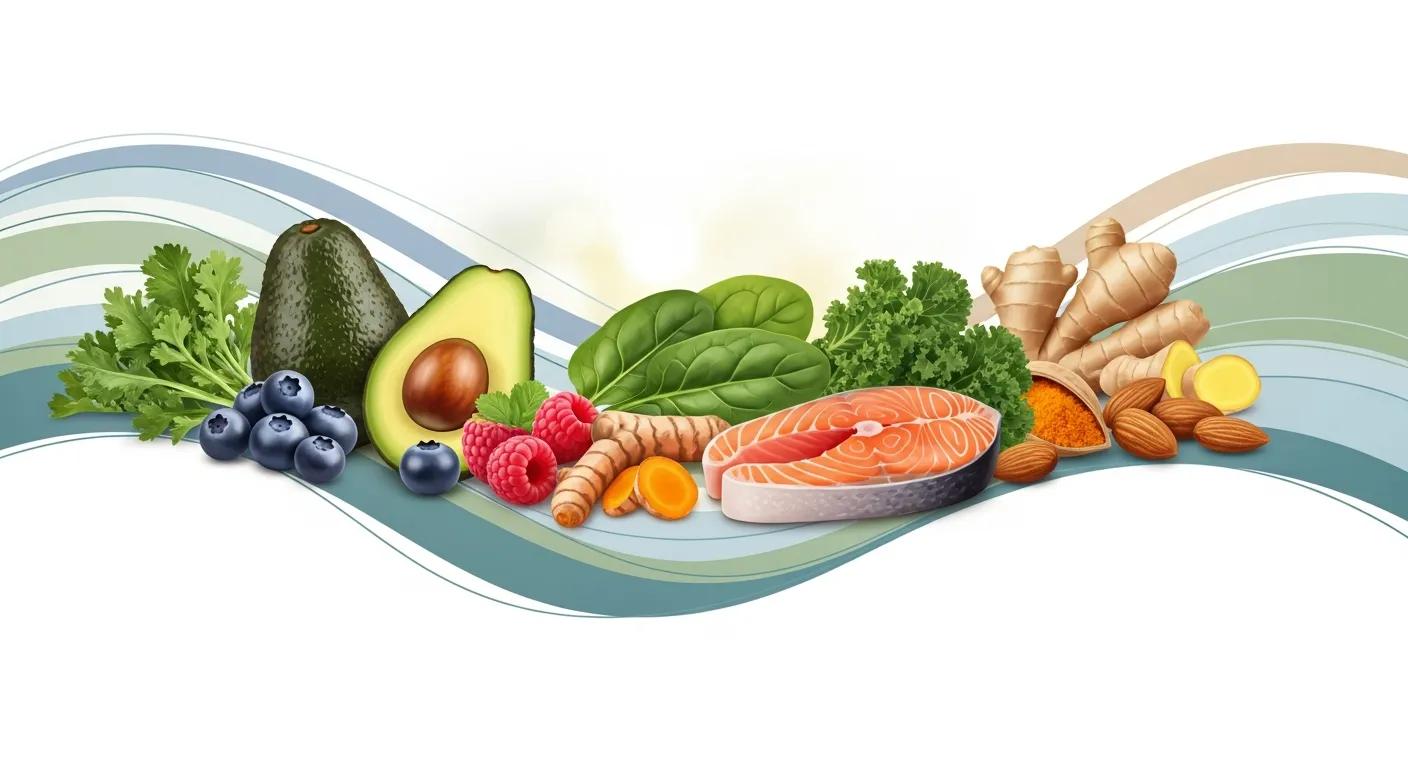
Mediterranean Diet: A Blueprint for Longevity After 40
Mediterranean Diet: Essential Guide to Longevity and Heart Healthy Eating After 40
The Mediterranean diet is more than just a meal plan; it’s a lifestyle that emphasizes whole foods, healthy fats, and a balanced approach to eating. This diet has gained recognition for its potential to enhance longevity and promote heart health, particularly for adults over 40. As we age, our nutritional needs change, and adopting a Mediterranean diet can help address these needs by providing essential nutrients that support overall well-being.
In this article, we will explore the core principles of the Mediterranean diet, the heart-healthy foods it includes, and how it can contribute to a longer, healthier life. We will also discuss practical tips for implementing this lifestyle and meal planning strategies that align with heart-healthy eating.
What Are the Core Principles of the Mediterranean Diet for Adults Over 40?
The Mediterranean diet is characterized by several core principles that make it particularly beneficial for adults over 40. These principles include an emphasis on whole foods, a high intake of fruits and vegetables, and moderate consumption of healthy fats.
Whole Foods Focus: The diet prioritizes unprocessed foods, which are rich in nutrients and free from additives.
High Fiber and Antioxidants: A variety of fruits, vegetables, and whole grains provide essential fiber and antioxidants that combat oxidative stress.
Moderate Wine Consumption: Enjoying wine in moderation, particularly red wine, is often included, which may offer cardiovascular benefits.
These principles create a balanced dietary pattern that supports heart health and overall longevity.
Which Heart Healthy Foods Define the Mediterranean Diet?
The Mediterranean diet is rich in heart-healthy foods that contribute to its numerous health benefits. Key components include:
Abundant Plant Foods: Vegetables, fruits, legumes, and whole grains form the foundation of meals, providing essential vitamins and minerals.
Healthy Fats from Olive Oil: Extra virgin olive oil is a primary fat source, known for its anti-inflammatory properties and heart health benefits.
Regular Fish Consumption: Fish, particularly fatty varieties like salmon and sardines, are rich in omega-3 fatty acids, which are crucial for cardiovascular health.
Incorporating these foods into daily meals can significantly enhance heart health and overall wellness.
How Do Healthy Fats Benefit Cardiovascular Health After 40?
Healthy fats play a vital role in maintaining cardiovascular health, especially for individuals over 40. These fats, primarily found in foods like olive oil, nuts, and fatty fish, support heart function in several ways:
Support Heart Health: Healthy fats help lower bad cholesterol levels, reducing the risk of heart disease.
Aid in Hormone Production: Fats are essential for producing hormones that regulate various bodily functions, including metabolism and stress response.
Improve Cholesterol Levels: Consuming healthy fats can increase levels of high-density lipoprotein (HDL), the "good" cholesterol.
By prioritizing healthy fats, individuals can enhance their cardiovascular health and reduce the risk of age-related heart issues.
How Does the Mediterranean Diet Support Anti-Aging and Longevity?
The Mediterranean diet is associated with anti-aging benefits and increased longevity due to its nutrient-dense foods and healthy fats. Research indicates that adherence to this dietary pattern can lead to:
Evidence of Longevity: Studies show that populations following the Mediterranean diet have lower mortality rates and longer life spans.
Telomere Protection: The diet's high antioxidant content helps protect telomeres, the protective caps on chromosomes that shorten with age.
Reduced Chronic Disease Risk: A Mediterranean diet is linked to lower incidences of chronic diseases such as heart disease, diabetes, and certain cancers.
Further research delves into the cellular mechanisms, revealing how this diet helps protect vital components of our genetic material.
Mediterranean Diet, Telomere Length, and Age-Related Disease Prevention Accelerated telomere shortening has been associated with several age-related diseases, including cardiovascular disease, type 2 diabetes, neurodegenerative diseases, and cancer. Telomeres (TLs)—the protective ends of linear chromosomes—shorten throughout an individual’s life, and TL is considered a biomarker of biological aging. Mediterranean diet and telomere length: a systematic review and meta-analysis, N Becerra-Tomás, 2020
These factors contribute to a healthier aging process and improved quality of life.
What Role Do Antioxidants and Omega-3 Fatty Acids Play in Aging?
Antioxidants and omega-3 fatty acids are crucial components of the Mediterranean diet that significantly impact the aging process. Their roles include:
Protection from Oxidative Stress: Antioxidants neutralize free radicals, reducing cellular damage and slowing the aging process.
Reduction of Chronic Inflammation: Omega-3 fatty acids have anti-inflammatory properties that help mitigate chronic inflammation, a key factor in aging.
Support for Cognitive Function: Both antioxidants and omega-3s are linked to improved brain health, potentially reducing the risk of cognitive decline.
Incorporating these nutrients into the diet can enhance overall health and longevity.
What Recent Scientific Evidence Links the Mediterranean Diet to Longevity?
Recent studies have provided compelling evidence linking the Mediterranean diet to increased longevity. Indeed, historical data and ongoing research consistently highlight the Mediterranean diet's profound positive effects on population health and longevity.
Mediterranean Diet's Beneficial Impact on Population Health & Longevity Mortality statistics from the WHO database covering the period 1960 to 1990 have provided intriguing evidence that something unusual has been affecting in a beneficial way the health of the Mediterranean population. In recent papers, which evaluated the evidence accumulated over the last three decades, it was concluded that the traditional Mediterranean diet meets several important criteria for a healthy diet. Direct evidence in support of the beneficial properties of the Mediterranean diet has also become available. Med iterranean diet and longevity, A Trichopoulou, 2000
Key findings include:
Adherence to the Diet and Survival Rates: Research indicates that individuals who closely follow the Mediterranean diet have higher survival rates compared to those who do not.
Impact on Chronic Diseases: The diet has been shown to lower the risk of developing chronic diseases, which are major contributors to mortality.
Statistical Evidence of Longevity: Longitudinal studies demonstrate a significant correlation between Mediterranean dietary patterns and extended life expectancy.
These findings are further supported by comprehensive studies that underscore the diet's significant role in enhancing survival rates and reducing chronic disease burden in older adults.
Mediterranean Diet: Impact on Longevity & Cardiovascular Health in Older Adults Nutrition is considered one of the key behaviours that influence healthy ageing. Evidence on the impact of traditional Mediterranean diet (MD) on health and longevity has accumulated over the years. With a consistency unusual in biomedical research, adherence to MD has been associated with better survival and lower incidence and mortality from cardiovascular diseases and malignant neoplasms. These associations were evident among diverse populations, at different points in time and by different investigators, using both observational and experimental study designs, thus strengthening the likelihood of a possible causal association. Higher adherence to MD has also been associated with reduced incidence of type 2 diabetes, dementia and hip fractures, all of which have considerable burden among older adults. Imp act of Mediterranean diet on longevity, A Trichopoulou, 2019
These findings underscore the importance of adopting a Mediterranean lifestyle for long-term health benefits.
How Can Adults Over 40 Implement Mediterranean Lifestyle Tips for Sustainable Health?
Implementing the Mediterranean lifestyle can be straightforward and enjoyable. Here are some practical tips for adults over 40:
Nutrition Focus on Whole Foods: Prioritize fresh fruits, vegetables, whole grains, and lean proteins in your meals.
Regular Fish Consumption: Aim to include fish in your diet at least twice a week, focusing on fatty varieties rich in omega-3s.
Mindful Eating Practices: Practice portion control and savor meals, which can enhance the overall eating experience and promote better digestion.
By adopting these tips, individuals can create a sustainable Mediterranean lifestyle that supports health and longevity.
What Practical Meal Planning Strategies Support Heart Healthy Eating?
Effective meal planning is essential for maintaining a heart-healthy diet. Here are some strategies to consider:
Prioritize Protein Sources: Incorporate lean proteins such as chicken, fish, and legumes into your meals to support muscle health.
Incorporate Anti-Inflammatory Foods: Include foods rich in antioxidants, such as berries, nuts, and leafy greens, to combat inflammation.
Plan for Convenience: Prepare meals in advance to ensure healthy options are readily available, reducing the temptation to opt for unhealthy choices.
These strategies can help streamline meal preparation while ensuring adherence to heart-healthy eating.
How Do Exercise and Stress Management Complement the Mediterranean Diet?
Exercise and stress management are integral components of the Mediterranean lifestyle that enhance its health benefits. Key points include:
Regular Physical Activity Benefits: Engaging in regular exercise supports cardiovascular health, weight management, and overall well-being.
Stress Management Techniques: Practices such as yoga, meditation, and deep breathing can help reduce stress levels, which is crucial for maintaining heart health.
Diet's Role in Overall Health: The Mediterranean diet provides the necessary nutrients to support an active lifestyle, making it easier to maintain physical fitness.
By integrating exercise and stress management with the Mediterranean diet, individuals can achieve optimal health outcomes.
Frequently Asked Questions
1. Can the Mediterranean diet help with weight management for adults over 40?
Yes, the Mediterranean diet can be effective for weight management, especially for adults over 40. Its emphasis on whole foods, healthy fats, and high fiber content promotes satiety, which can help control hunger and reduce overall calorie intake. Additionally, the diet encourages mindful eating practices, which can lead to better food choices and portion control. By focusing on nutrient-dense foods rather than processed options, individuals can achieve a balanced diet that supports healthy weight loss or maintenance.
2. Are there any specific foods to avoid on the Mediterranean diet?
While the Mediterranean diet is flexible, it is advisable to limit or avoid certain foods. Highly processed foods, refined sugars, and trans fats should be minimized, as they can contribute to inflammation and chronic diseases. Additionally, red and processed meats should be consumed in moderation. Instead, focus on whole, unprocessed foods, such as fruits, vegetables, whole grains, and healthy fats, to maximize the diet's health benefits and support overall well-being.
3. How does the Mediterranean diet compare to other popular diets?
The Mediterranean diet is often compared to other popular diets, such as the ketogenic or paleo diets. Unlike these restrictive diets, the Mediterranean diet emphasizes variety and balance, allowing for a wide range of foods. It focuses on whole foods, healthy fats, and plant-based ingredients, making it sustainable and enjoyable. Research consistently shows that the Mediterranean diet is associated with numerous health benefits, including improved heart health and longevity, making it a well-rounded choice for many individuals.
4. How can I incorporate more Mediterranean foods into my daily meals?
Incorporating Mediterranean foods into your daily meals can be simple and enjoyable. Start by adding more fruits and vegetables to your meals, aiming for a colorful variety. Use extra virgin olive oil as your primary cooking fat and include whole grains like quinoa or brown rice. Incorporate fish into your diet at least twice a week, and consider adding legumes such as chickpeas or lentils to salads and soups. Experiment with herbs and spices to enhance flavor without added salt or sugar.
5. What are some common misconceptions about the Mediterranean diet?
One common misconception about the Mediterranean diet is that it is solely about eating pasta and pizza. While these foods can be part of the diet, the focus is on whole, unprocessed foods, including fruits, vegetables, whole grains, and healthy fats. Another misconception is that the diet is expensive; however, many Mediterranean staples, like legumes and seasonal produce, are affordable. Understanding the core principles of the diet can help individuals adopt it more effectively and reap its health benefits.
6. Is the Mediterranean diet suitable for individuals with dietary restrictions?
The Mediterranean diet can be adapted to suit various dietary restrictions. For those who are vegetarian or vegan, the diet's emphasis on plant-based foods makes it easy to follow. Individuals with gluten sensitivities can opt for gluten-free grains like quinoa or rice. Additionally, those with lactose intolerance can enjoy dairy alternatives while still benefiting from the diet's principles. The flexibility of the Mediterranean diet allows for customization, making it accessible to a wide range of dietary needs.
7. How can I maintain the Mediterranean lifestyle long-term?
Maintaining the Mediterranean lifestyle long-term involves creating sustainable habits. Start by gradually incorporating Mediterranean foods into your diet and focusing on whole, unprocessed options. Plan meals ahead of time to ensure you have healthy choices available. Engage in regular physical activity and practice stress management techniques, such as yoga or meditation, to complement your dietary changes. Building a supportive community, whether through family or friends, can also help reinforce these healthy habits and make the lifestyle more enjoyable.
Conclusion
Embracing the Mediterranean diet offers numerous benefits, including improved heart health, enhanced longevity, and a balanced approach to nutrition for adults over 40. By prioritizing whole foods, healthy fats, and mindful eating, individuals can significantly enhance their overall well-being. Start your journey towards a healthier lifestyle by exploring our range of Mediterranean-inspired recipes and meal plans. Discover how easy it is to incorporate these heart-healthy foods into your daily routine today. If this article was helpful, sign up below for our free Life After 40 Success Kit.