Lessons from Blue Zones: Diet & Lifestyle for Longevity
Lessons from Blue Zones: Diet & Lifestyle for Longevity
The concept of Blue Zones refers to regions where people live significantly longer, healthier lives, often reaching the age of 100 or more. These areas, identified by researchers, share common dietary and lifestyle practices that contribute to longevity. In this article, we will explore the core principles of the Blue Zones diet, the plant-based foods that support healthy aging, and the lifestyle habits of centenarians.
By understanding these elements, adults can adopt strategies to enhance their own longevity and quality of life. We will also discuss how regular physical activity and social connections play vital roles in promoting a longer, healthier life. Finally, we will provide practical tips for adults over 40 to implement these Blue Zones lifestyle secrets.
What Are the Core Diet Principles of Blue Zones for Longevity?
The core diet principles of Blue Zones emphasize plant-forward eating patterns that promote longevity. These diets are characterized by a high intake of whole, minimally processed foods, particularly those rich in nutrients and antioxidants. Key principles include:
Plant-Forward Diets: Emphasizing fruits, vegetables, legumes, and whole grains as the foundation of meals.
Daily Legumes: Incorporating beans and lentils into daily meals for their protein and fiber content.
Minimal Processed Foods: Reducing the consumption of processed and sugary foods to maintain overall health.
These dietary habits not only support physical health but also contribute to mental well-being, making them essential for longevity.
Which Plant Based Foods Support Healthy Aging?
Certain plant-based foods are particularly beneficial for healthy aging, providing essential nutrients that support bodily functions and reduce the risk of chronic diseases. Some of these foods include:
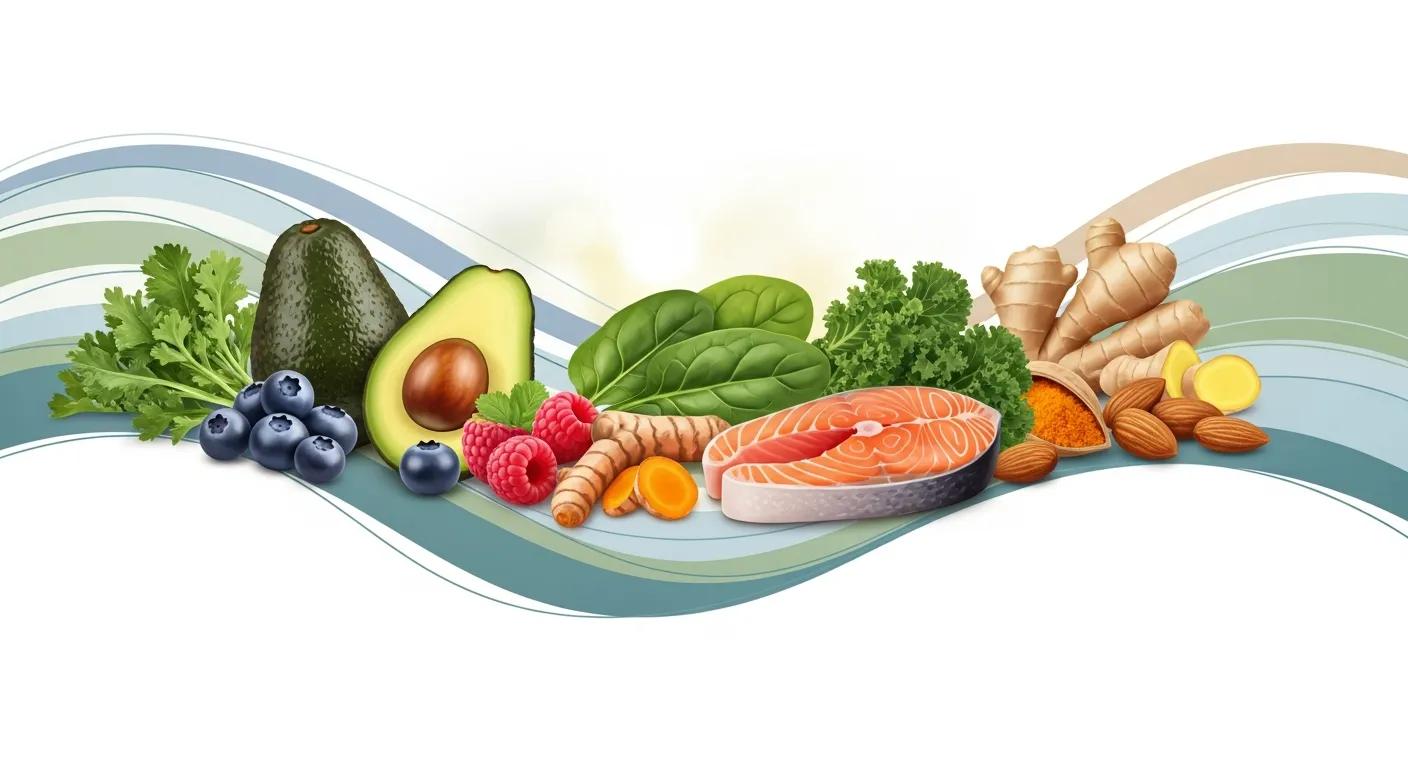
Leafy Greens: Rich in vitamins and minerals, leafy greens like spinach and kale are known for their anti-inflammatory properties.
Berries: Packed with antioxidants, berries help combat oxidative stress and support brain health.
Legumes: Beans and lentils are excellent sources of protein and fiber, promoting digestive health and reducing the risk of heart disease.
Incorporating these foods into daily meals can significantly enhance overall health and longevity.
How Do Mediterranean and Okinawan Diets Promote Lifespan Extension?
The Mediterranean and Okinawan diets are two prominent examples of dietary patterns that contribute to lifespan extension.
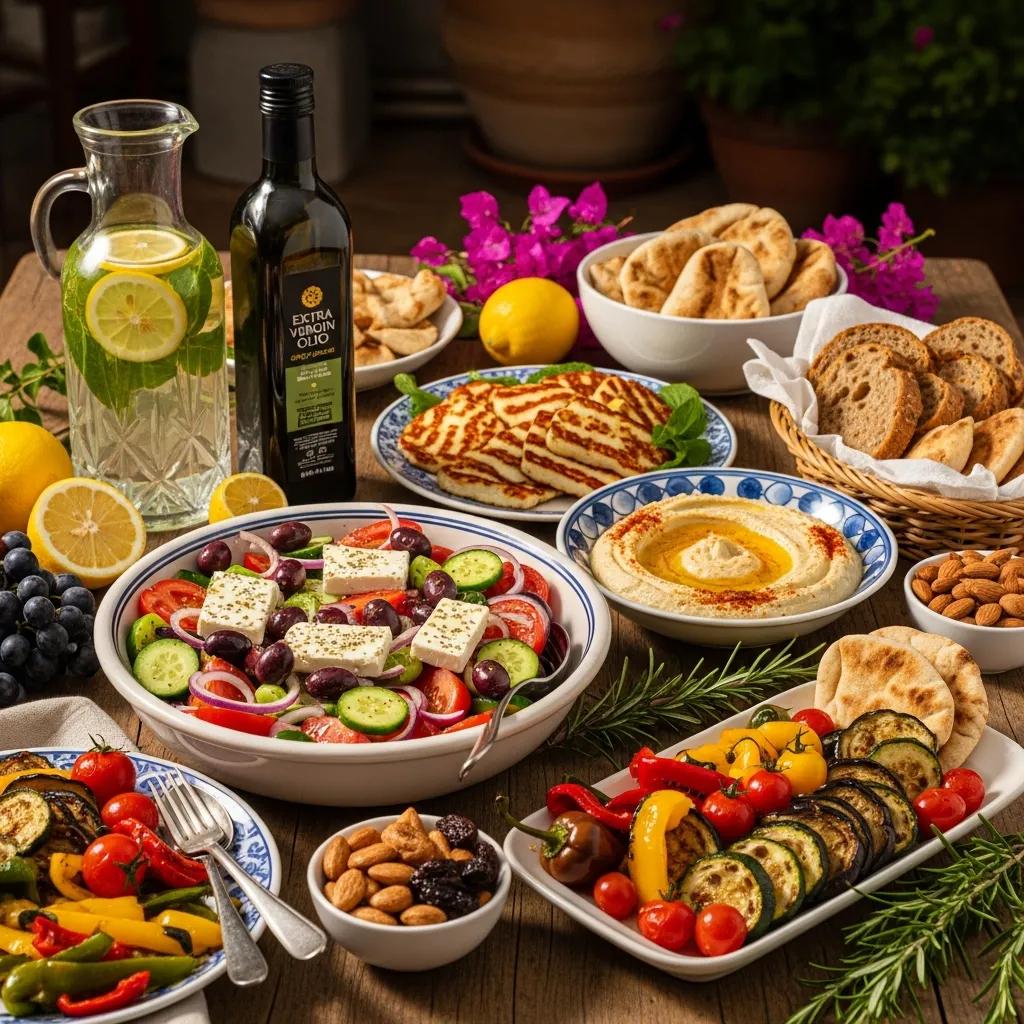
The Mediterranean diet focuses on nutrient-rich foods, including healthy fats from olive oil, fish, and a variety of fruits and vegetables. This diet is known for its heart-healthy benefits and has been linked to lower rates of chronic diseases.
On the other hand, the Okinawan diet emphasizes low-calorie intake with a high consumption of vegetables, particularly sweet potatoes, and soy products. This diet is rich in antioxidants and has been associated with lower rates of cancer and heart disease.
Both diets highlight the importance of nutrient density and balanced eating, which are crucial for promoting longevity.
Further research reinforces the connection between these specific dietary patterns and the remarkable longevity observed in Blue Zones.
Blue Zone Diets & Lifestyles for Longevity Longevity has been associated with healthy lifestyles, including some dietary regimens, such as the Mediterranean diet (MedDiet) and the Blue Zone (BZ) diets. MedDiet relies on a large consumption of fruit, vegetables, cereals, and extra-virgin olive oil, with less red meat and fat intake. Four major BZ have been recognized in the world, namely, Ogliastra in Sardinia (Italy), Ikaria (Greece), the Peninsula of Nicoya (Costa Rica), and Okinawa (Japan). Extreme longevity in these areas has been associated with correct lifestyles and dietary regimens. Healthy diets and lifestyles in the world: Mediterranean and blue zone people live longer. Special focus on gut microbiota and some food components, L Santacroce, 2024
What Lifestyle Habits Do Centenarians Follow for Longevity?
Centenarians often share common lifestyle habits that contribute to their long lives. These habits include:
Regular Physical Activity: Engaging in daily movement, whether through walking, gardening, or other forms of exercise, helps maintain physical health and mobility.
Balanced Nutrition: Consuming a variety of nutrient-dense foods ensures that the body receives essential vitamins and minerals.
Social Connections: Maintaining strong relationships with family and friends provides emotional support and a sense of belonging.
These lifestyle habits are integral to the longevity observed in Blue Zones and can be adopted by anyone seeking to improve their health.
How Does Regular Physical Activity Influence Healthy Aging?
Regular physical activity plays a crucial role in healthy aging by reducing the risk of chronic diseases and enhancing overall well-being. Engaging in consistent exercise helps to:
Reduce Chronic Disease Risk: Regular movement lowers the likelihood of developing conditions such as heart disease, diabetes, and obesity.
Enhance Quality of Life: Physical activity improves mood and cognitive function, contributing to a better quality of life as one ages.
Improve Mood: Exercise releases endorphins, which can alleviate symptoms of depression and anxiety.
Incorporating physical activity into daily routines is essential for promoting longevity and maintaining health.
Indeed, studies have delved into the specific physical activity habits that contribute to the exceptional longevity of Blue Zone centenarians.
Physical Activity Habits of Blue Zone Centenarians Data synthesis revealed that 81% of the activities engaged by Blue Zone centenarians are moderate intensity activities. Blue Zone centenarians represent a significantly high physical functioning and high levels of activity through labouring occupations, outdoor hobbies and in-home activities. The most predominant mode represented through the included studies was agricultural activities. Overall, Blue Zones Centenarians are highly active, perform continuous and consistent movements daily, maintain daily hobbies, and work beyond the expected age of retirement. Blue Zones: Centenarian modes of physical activity: A scoping review, M Climstein, 2025
Why Are Social Connections Vital for Longevity?
Social connections are a fundamental aspect of longevity, as they provide emotional support and a sense of purpose. Research indicates that strong social ties can:
Reduce Cognitive Decline: Engaging with others helps to keep the mind active and reduces the risk of cognitive decline.
Enhance Emotional Well-Being: Positive relationships contribute to lower levels of stress and improved mental health.
Provide a Sense of Purpose: Being part of a community or having close relationships gives individuals a reason to stay active and engaged.
Fostering social connections is a vital component of a longevity-focused lifestyle.
Scientific evidence further underscores the critical role of social engagement, demonstrating a clear link between social isolation and reduced chances of reaching extreme old age.
Social Isolation & Centenarian Longevity Individuals with the highest social isolation score had lower odds of becoming centenarians (adjusted OR:0.82; 95% CI: 0.68, 0.98), relative to those with the least social isolation (P-value < 0.05), and this association persisted in sensitivity analyses. The association was more pronounced among ever smokers, compared to never smokers (P-value = 0.001). Social isolation and likelihood of becoming centenarians: evidence from the Chinese longitudinal healthy longevity survey, G Jigeer, 2024
How Can Adults Over 40 Implement Blue Zones Lifestyle Secrets?
Adults over 40 can adopt several practical steps to implement Blue Zones lifestyle secrets, including:
Adopt a Plant-Based Diet: Focus on incorporating more fruits, vegetables, and whole grains into meals.
Engage in Community Activities: Participate in local groups or clubs to build social connections and foster a sense of belonging.
Practice Stress Management: Techniques such as mindfulness, meditation, and regular physical activity can help manage stress levels.
By integrating these practices into daily life, individuals can enhance their longevity and overall quality of life.
What Does a Longevity Diet Meal Plan Look Like?
A longevity diet meal plan focuses on nutrient-dense foods that support health and well-being. Key components include:
Nutrient-Dense Foods: Prioritize whole foods such as fruits, vegetables, legumes, and whole grains.
Healthy Fats: Incorporate sources of healthy fats, such as olive oil and nuts, to support heart health.
Meal Timing: Consider meal timing and portion sizes to maintain a balanced diet.
Here’s a sample meal plan for a day focused on longevity:
Meal | Foods Included |
Breakfast | Oatmeal topped with berries and nuts |
Lunch | Quinoa salad with mixed vegetables |
Dinner | Grilled fish with steamed broccoli |
Snacks | Hummus with carrot sticks |
This meal plan emphasizes the importance of variety and balance in promoting longevity.
Which Stress Management Techniques Enhance Lifespan?
Effective stress management techniques can significantly enhance lifespan by promoting mental and emotional well-being. Some techniques include:
Mindfulness and Meditation: Practicing mindfulness helps individuals stay present and reduce anxiety.
Regular Physical Activity: Exercise is a powerful stress reliever that also improves physical health.
Social Connections: Engaging with friends and family provides emotional support and reduces feelings of isolation.
Incorporating these techniques into daily life can lead to improved health outcomes and increased longevity.
Frequently Asked Questions
What role does sleep play in longevity according to Blue Zones research?
Sleep is a crucial factor in promoting longevity, as it directly impacts physical health and mental well-being. Research from Blue Zones indicates that adequate sleep helps regulate hormones, supports immune function, and enhances cognitive performance. Many centenarians prioritize good sleep hygiene, often going to bed early and maintaining a consistent sleep schedule. This practice not only aids in recovery and stress management but also contributes to overall health, making it an essential component of a longevity-focused lifestyle.
How can I build social connections to enhance my longevity?
Building social connections can significantly enhance longevity by providing emotional support and a sense of belonging. To foster these connections, consider joining local clubs, volunteering, or participating in community events. Engaging in group activities, such as exercise classes or hobby groups, can also help you meet new people. Additionally, nurturing existing relationships with family and friends through regular communication and shared experiences can strengthen your social network, which is vital for emotional well-being and longevity.
Are there specific foods to avoid for better health and longevity?
Yes, certain foods should be minimized or avoided to promote better health and longevity. Highly processed foods, which often contain added sugars, unhealthy fats, and preservatives, can contribute to chronic diseases. Additionally, excessive consumption of red and processed meats has been linked to various health issues. Instead, focus on whole, nutrient-dense foods, such as fruits, vegetables, whole grains, and legumes, which are staples in Blue Zones diets and support overall health and longevity.
What is the significance of community involvement in Blue Zones?
Community involvement plays a significant role in the longevity observed in Blue Zones. Engaging with local groups fosters social connections, provides emotional support, and enhances a sense of purpose. Many centenarians participate in community activities, which not only strengthens relationships but also encourages a healthy lifestyle. This sense of belonging and shared responsibility contributes to lower stress levels and improved mental health, making community engagement a vital aspect of a longevity-focused lifestyle.
How does hydration impact longevity?
Hydration is essential for maintaining overall health and can significantly impact longevity. Proper hydration supports bodily functions, including digestion, circulation, and temperature regulation. In Blue Zones, individuals often consume water as their primary beverage, sometimes supplemented with herbal teas. Staying hydrated helps prevent chronic diseases, supports cognitive function, and enhances physical performance. To promote longevity, aim to drink adequate amounts of water daily and incorporate hydrating foods, such as fruits and vegetables, into your diet.
What are the benefits of gardening for longevity?
Gardening offers numerous benefits that can contribute to longevity. It provides physical activity, which is essential for maintaining health and mobility as one ages. Additionally, gardening promotes mental well-being by reducing stress and enhancing mood through exposure to nature. Engaging in this activity also encourages healthy eating, as homegrown produce can be incorporated into meals. Many centenarians in Blue Zones actively garden, highlighting its role in fostering a healthy lifestyle and supporting longevity.
Conclusion
Embracing the dietary and lifestyle principles of Blue Zones can significantly enhance longevity and overall well-being. By prioritizing plant-based foods, regular physical activity, and strong social connections, individuals can cultivate a healthier, more fulfilling life. Implementing these strategies is not just about living longer, but about living better. Start your journey towards a vibrant, longevity-focused lifestyle today. Sign up for our free Life After 40 Success Kit below.