Benefits of a Plant-Based Diet for Over 40s
Benefits of a Plant-Based Diet for Adults Over 40: Essential Health Insights and Practical Guidance
As we age, our nutritional needs evolve, making it crucial to adapt our diets accordingly. A plant-based diet offers a wealth of benefits, particularly for adults over 40, who may face increased health challenges.
This article delves into the essential health insights and practical guidance surrounding plant-based nutrition, highlighting its advantages for midlife health. Readers will learn about the key nutritional benefits, practical meal planning strategies, and the overall impact of a plant-based diet on well-being. By addressing common concerns and providing actionable tips, this guide aims to empower individuals to embrace a plant-based lifestyle for improved health outcomes.
Health Insights
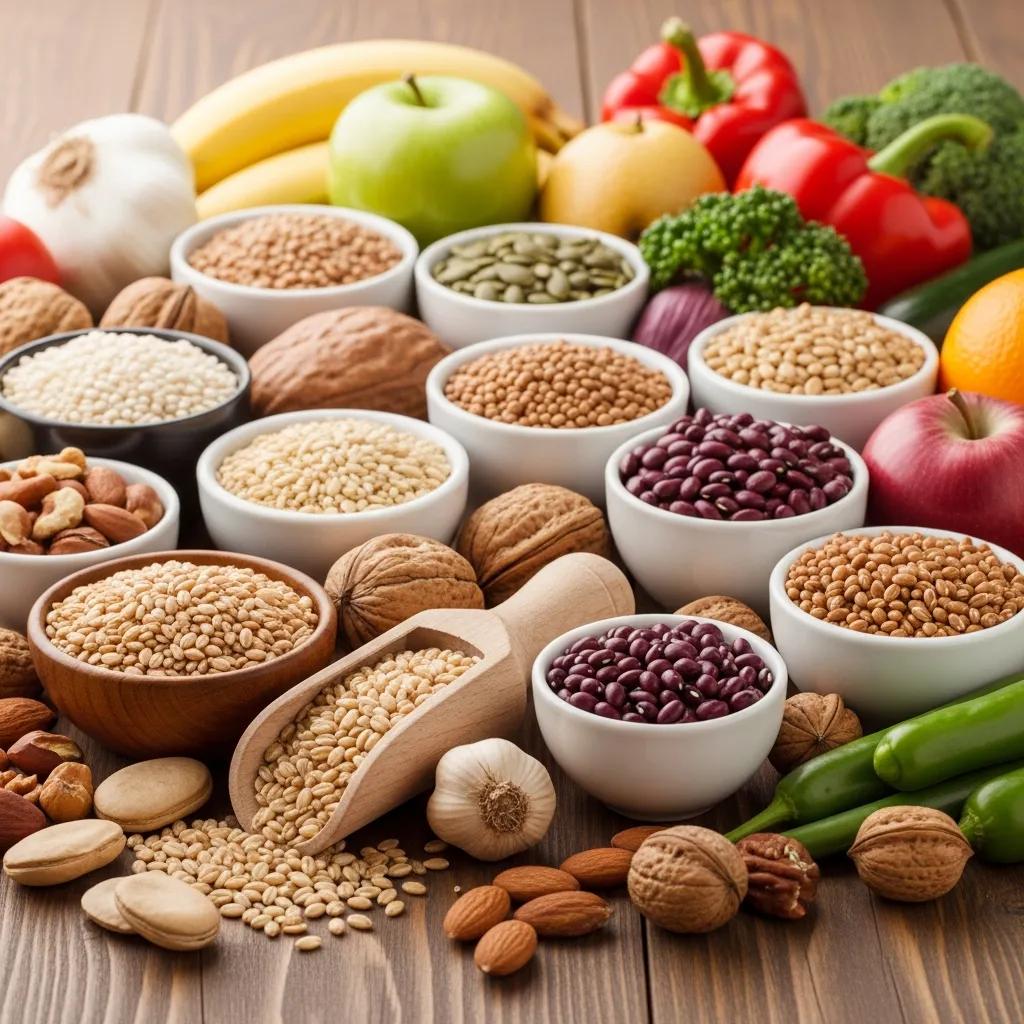
A plant-based diet is characterized by a high intake of fruits, vegetables, whole grains, and legumes, which are rich in essential nutrients. This dietary pattern is associated with numerous health benefits, particularly for adults over 40. The nutrient density of plant-based foods plays a significant role in chronic disease prevention, including heart disease, diabetes, and certain cancers. Additionally, these foods contribute to mental health benefits, enhancing mood and cognitive function.
Indeed, studies indicate that adopting a plant-based diet can significantly influence the trajectory of biological aging, offering a pathway to greater longevity.
What Are the Key Nutritional Benefits of a Plant-Based Diet After 40?
The key nutritional benefits of a plant-based diet for adults over 40 include:
Omega-3 Fatty Acids: Found in flaxseeds and walnuts, these essential fats support heart health and cognitive function.
Antioxidants: Present in a variety of fruits and vegetables, antioxidants combat oxidative stress, reducing the risk of chronic diseases.
Fiber: High-fiber foods, such as legumes and whole grains, promote digestive health and help maintain a healthy weight.
These nutrients collectively contribute to improved overall health and longevity, making a plant-based diet a valuable choice for those in midlife.
Specifically, components like flaxseed have been extensively studied for their profound impact on cardiometabolic health and their role in promoting healthy aging.
Flaxseed for Healthy Aging & Cardiometabolic Health Flaxseed, a rich source of omega-3 polyunsaturated fatty acid alpha-linolenic acid (ALA), lignans, and soluble fiber, has attracted attention for its potential to improve multiple cardiometabolic risk factors. This review synthesizes existing research on flaxseed supplementation, highlighting its effects on cardiometabolic risk factors and outcomes, the underlying biological mechanisms, and its broader implications for health promotion and aging. Findings demonstrate that flaxseed supplementation significantly improves several cardiometabolic risk factors, including body weight, body mass index, lipid levels, blood pressure, glycemic measures, markers of inflammation (e.g., C-reactive protein and interleukin-6), oxidative stress, and liver enzymes. Dietary flaxseed: Cardiometabolic benefits and its role in promoting healthy aging, SK Kunutsor, 2025
Which Plant-Based Protein Sources Support Midlife Health?
Incorporating adequate protein is essential for maintaining muscle mass and overall health as we age. Beneficial plant-based protein sources include:
Legumes: Beans, lentils, and chickpeas are excellent sources of protein and fiber, supporting heart health and digestion.
Tofu and Tempeh: These soy products provide high-quality protein and are versatile for various dishes.
Quinoa: A complete protein, quinoa contains all nine essential amino acids, making it a great addition to any meal.
These protein sources not only support muscle health but also provide essential nutrients that contribute to overall well-being.
Maintaining adequate protein intake is particularly vital for older adults, with research highlighting the importance of plant-based protein sources for muscle preservation and overall health.
Plant-Based Protein for Adults 55+: Muscle & Health An increased protein intake is required during aging to preserve muscle mass. A predominantly plant-based diet is beneficial for the climate and may lower the risk of certain non-communicable diseases, but could also lead to protein below recommendations. This study seeks to elucidate facilitators and barriers in adults aged 55+ adopting a diet that is both predominantly plant-based and provides sufficient protein to preserve muscle mass. Health effects (M) and taste (M) were both the most dominant facilitators and barriers regarding transition towards a more plant-based, protein-rich diet. Improving taste and highlighting health benefits are key to fostering positive attitudes and encouraging the adoption of protein-rich, plant-based diets among adults aged 55+. Perspectives of adults aged 55+ on plant-based diets rich in protein, 2025
Practical Guidance
Transitioning to a plant-based diet can be straightforward with the right strategies. Here are some practical tips to help incorporate more plant-based foods into your meals.
Meal Planning Strategies: Plan your meals around plant-based ingredients to ensure a balanced diet. Consider batch cooking to save time during the week.
Incorporating More Plant-Based Foods: Start by replacing one meal a day with a plant-based option, gradually increasing as you become more comfortable.
Healthy Fats and Hydration: Include sources of healthy fats, such as avocados and nuts, and stay hydrated to support overall health.
For those looking to enhance their lifestyle, Life After 40 offers resources and guidance on adopting a plant-based diet effectively.
How to Incorporate Balanced Plant Proteins and Nutrients in Midlife Diets?
To ensure adequate protein intake while following a plant-based diet, consider these strategies:
Daily Protein Intake Recommendations: Aim for a variety of protein sources throughout the day to meet your nutritional needs.
Examples of Balanced Meals: Combine grains with legumes, such as rice and beans, or include a variety of vegetables in a stir-fry with tofu.
These strategies can help maintain muscle mass and support overall health as you age.
Impact on Overall Well-Being
The benefits of a plant-based diet extend beyond physical health, positively impacting overall well-being. Adopting this dietary pattern can lead to improvements in quality of life, increased energy levels, and enhanced mental clarity. Furthermore, engaging in social activities centered around plant-based meals can foster community and connection, contributing to emotional well-being.
Frequently Asked Questions
1. What are the long-term health effects of a plant-based diet for individuals over 40?
Adopting a plant-based diet in middle age can lead to significant long-term health improvements, including a lower risk of chronic diseases like heart disease, diabetes, and certain cancers. Additionally, individuals may experience enhancements in mental health, mood stability, and cognitive function. Over time, the nutrient-dense nature of plant-based foods can contribute to improved immunity and longevity, potentially altering one's biological aging process in favor of a healthier life.
2. How does a plant-based diet influence weight management after 40?
A plant-based diet is often lower in calories while being rich in nutrients and fiber, making it easier to manage weight. The fiber found in fruits, vegetables, legumes, and whole grains helps create a feeling of fullness without excessive calorie intake. This dietary pattern promotes healthy weight loss or maintenance, which is crucial for preventing obesity-related health issues in adults over 40. Regular physical activity combined with a plant-based diet further enhances weight management efforts.
3. Can a plant-based diet help with arthritis symptoms?
Research suggests that a plant-based diet may alleviate arthritis symptoms due to its anti-inflammatory properties. Foods rich in antioxidants, such as fruits, vegetables, and whole grains, can help reduce inflammation and joint pain. Omega-3 fatty acids from sources like flaxseeds and walnuts may also play a significant role in managing arthritis. Individuals may experience improved joint function and reduced discomfort by incorporating these foods into their diets.
4. What should be considered when transitioning to a plant-based diet after 40?
Transitioning to a plant-based diet after 40 should involve careful planning to ensure balanced nutrition. Key considerations include adequate protein intake from various sources like legumes, nuts, and seeds; monitoring vitamin B12, iron, and calcium levels; and trying different recipes to keep meals enjoyable and diverse. Gradually replacing animal products with plant-based options can make the transition smoother and more sustainable for lasting dietary change.
5. How can I maintain my social life while following a plant-based diet?
Maintaining a social life while following a plant-based diet can be easily managed by communicating your dietary choices to friends and family. You can suggest plant-based restaurants or host gatherings centered around plant-based meals. Participating in cooking classes or group meal prep can also offer social engagement. Sharing your passion for plant-based cooking and exploring different cuisines with others can create a supportive environment for your dietary lifestyle.
6. Are there specific plant-based snacks that help with energy levels?
Yes, several plant-based snacks can help boost energy levels. Opt for nutrient-rich options such as fruit and nut bars, hummus with vegetable sticks, or smoothies packed with leafy greens and protein sources like almond milk or pea protein. Snacks that include complex carbohydrates, such as whole grain toast or quinoa salads, can provide sustained energy, keeping your energy levels stable throughout the day.
7. How does a plant-based diet impact digestive health for those over 40?
A plant-based diet can significantly enhance digestive health, particularly for adults over 40. The high fiber content in fruits, vegetables, legumes, and whole grains aids in regular bowel movements, preventing constipation and promoting gut health. Additionally, fiber feeds beneficial bacteria in the gut, fostering a healthy microbiome, which is essential for overall well-being. Improved digestion can also affect nutrient absorption, leading to better health outcomes in midlife.
Conclusion
Embracing a plant-based diet offers numerous health benefits for adults over 40, including improved nutrient intake, chronic disease prevention, and enhanced mental well-being. By implementing practical strategies and focusing on nutrient-rich foods, individuals can significantly enhance their health and quality of life. Transitioning to a plant-based lifestyle is not only a dietary change but a holistic approach to wellness that can lead to lasting benefits. Sign up below for your free Life After 40 Success Kit.